
LECTORAAT CHANGE MANAGEMENT – De Haagse Hogeschool
BOJANA PETROVAonderzoek op het randje
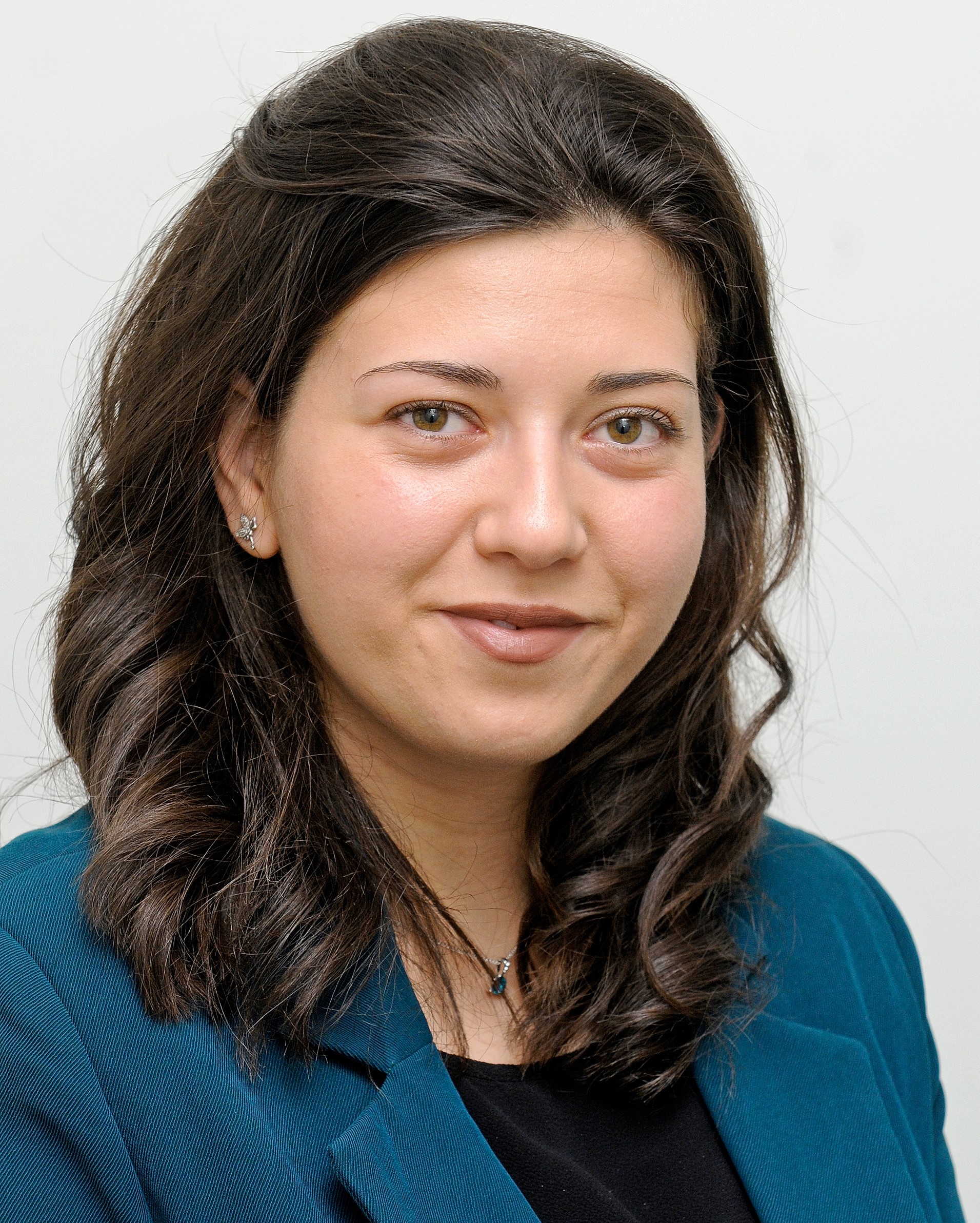
What do you do at The Hague University of Applied Sciences?
I am a lecturer in Critical Thinking and Business Communication within the International Business programme at the BFM Faculty. I am also a researcher in the Change Management research group, where I focus on critical pedagogy and the professional development of lecturers. As part of the CRITTARS Flickthink project team, I contribute to arts-based critical thinking education within higher professional education, with a particular focus on film as a pedagogical tool. In May 2026, I started my PhD project after being awarded the Dutch Research Council (NWO) Doctoral Grant for Teachers.
What is your background?
Primarily, I see myself as an educator. I completed a bachelor’s degree in didactics and literature, with a minor in Spanish, followed by a master’s degree in TESOL, where I focused strongly on pedagogy, philosophy of education, and language learning. My master’s research explored how teachers’ professional knowledge is shaped not only through formal training, but also through their lived experiences, identities, and personal educational journeys.
Alongside education, I have long been interested in art and philosophy. From a young age and all the way through university, I was involved in amateur theatre. I also like to write poetry, and some of my poems have been published in Macedonian and Serbian literary contexts. These creative interests continue to influence how I approach teaching and research today.
I am particularly inspired by critical pedagogical thinkers such as Paulo Freire, as well as by participatory and arts-based approaches to education and teacher development. I am especially interested in how film, storytelling, dialogue, and performance can help students question assumptions, engage with complex societal issues, and connect personal experiences to broader structural realities.
What kind of research do you do?
While universities increasingly encourage lecturers to engage with complex social and ethical questions, professional development often focuses primarily on technical competencies. Although these are important, they do not always prepare lecturers for the realities of today’s classrooms, where students bring different experiences, perspectives, concerns, and questions that can challenge assumptions and spark broader conversations about society, culture, and power.
My PhD research therefore focuses on the professional development of higher education lecturers and how they make sense of their role in an increasingly complex and rapidly changing world. I am particularly interested in how lecturers can be supported in reflecting on how their beliefs, experiences, and working environments shape their teaching. I also explore how this reflection can inform more critically responsive educational practices.
To explore these questions, I work with participatory and arts-based approaches to professional development that help bring lecturers and students into dialogue with one another. A central aspect of this work is the involvement of students as partners in the learning process and creating space for their experiences and perspectives to become part of their lecturers’ professional development I am also interested in the emotions, tensions, and moments of uncertainty that can arise when lecturers and students engage with complex issues, and how these moments can become opportunities for learning and growth.


