
LECTORAAT CHANGE MANAGEMENT – De Haagse Hogeschool
Circle of Transience – an online exhibitiononderzoek op het randje
In our contemporary Western world, death is often regarded as distant, hidden, or taboo — yet its presence shapes our identities, relationships, and the way we move through time. Through the lens of transience, we shift the focus from death as a fixed endpoint to death as a natural part of life’s continuous unfolding.
Circle of Transience is a guided, participatory experience that invites individuals to explore the layered meanings of death — not solely as endings, but as ever-present elements of life, change, and renewal. This gathering was supported by The Change Management Research Group, designed by Mira Gyalog with the intention of gently challenging modern avoidance of death. The experience offers a shared, creative, and sensory-based space to reflect, express, and reconnect with our mortality within ourselves and with one another.
13th of June, Friday, 2025. In the heart of The Hague, we came together to pause and reflect on what death means to each of us. “An unusual way to spend a Friday evening—especially one shrouded in superstition,” you might think. And indeed, it was unusual.
What follows is a glimpse into that evening: a visual documentation of the gathering, a blend of voices of its participants, and the material manifestations of their perceptions of death. Together, they immortalise a circle of momentarily contemplation—one that explores a bit of our ever-changing, multifaceted understandings of transience.
I – The video documentation of the “séance”
II – The externalised internal conversation
What does death mean to me?
I ask myself.
I don’t believe in death. I hear me whisper.
You can feel death, but still be alive,
Or somebody close to you can pass away,
but you still feel their presence.
The act of dying is so abstract and nebulous, that it’s hard to think about it without the consequences attached to it.
Death suggests identity. Attachment.
Death is separation.
The question is who? Who is the one to die? Is it I?
I don’t know what death means, because I never died.
I already died endless times.
As a matter of fact I am in a constant cycles of violent decay.
The shutting down of the body and mind.
The vessel that’s left will decompose and create new life later on.
Death is a circle. We’ll all die but it’s part of life.
Death is like a gate.
I wish it was quiet.
The opposite of confusion, a sense of definite sureness.
One thing is undeniably true — it is universal.
Everyone will face death, encounter death, wrestle death, and maybe — who knows — even succeed.
Death is an irreversible crossing from one realm to the next.
Because of death, life has more meaning.
Because of death, I live life.
I feel like everything ends by death. It’s the last dot to a story.
Change, then permanence. Metamorphosis.
Death is the end of a chance to be.
One way or another we have to say goodbye. Whether we like it or not.
Death is a transformation.
Death is really funny, it is like Russian roulette.
In those times of solitude I think and only think, if death has a meaning, then life probably has one too.
Meaning is an irritably unbridgeable desire of the mind.
It exists not to be fulfilled, but be sought.
The great equalist. That which has no prejudice, morality, preference, or ambition.
Do I look forward to it? Honestly, sometimes I do.
Quiet above all else.
To fall in love with zests, to dream.
To experience death: all real, until they aren’t.
Sadness. Emptiness. Nothingness.
The split of identity.
Death is something you can’t comprehend. And when there’s something that you can’t comprehend, your brain has a tendency to avoid thinking about it.Oh, to think we are alive, therefore we must die.
When you think about death, do you want to die? But is there also a reason why you want to live?Death is everything, everyone, and all other circumstances of existence.
III – The creative expressions of individual meaning
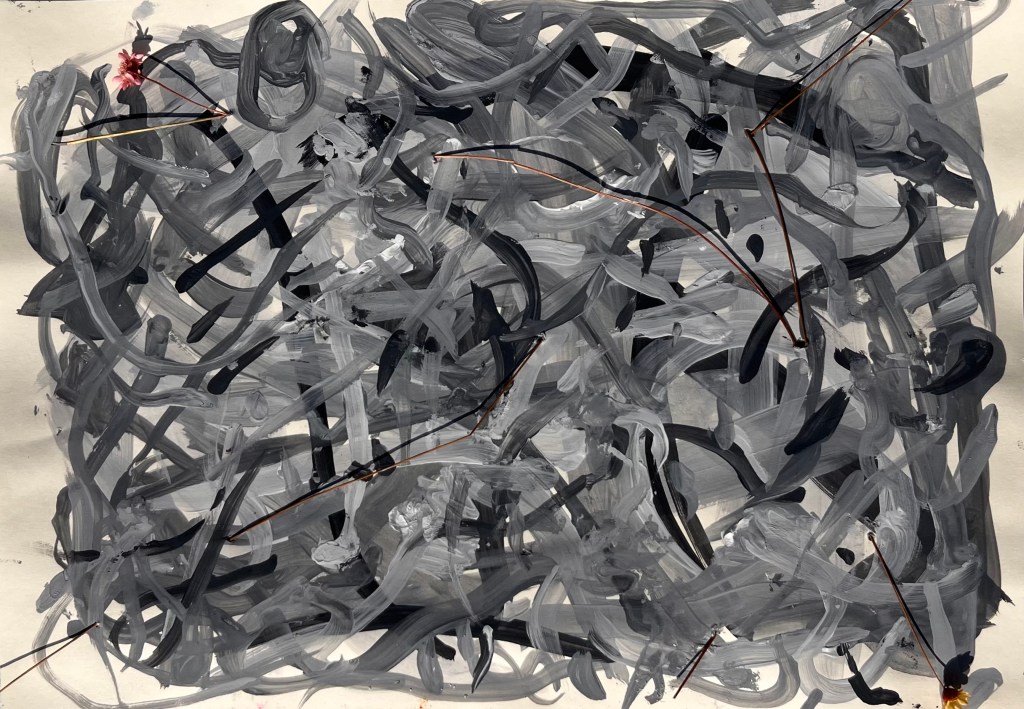
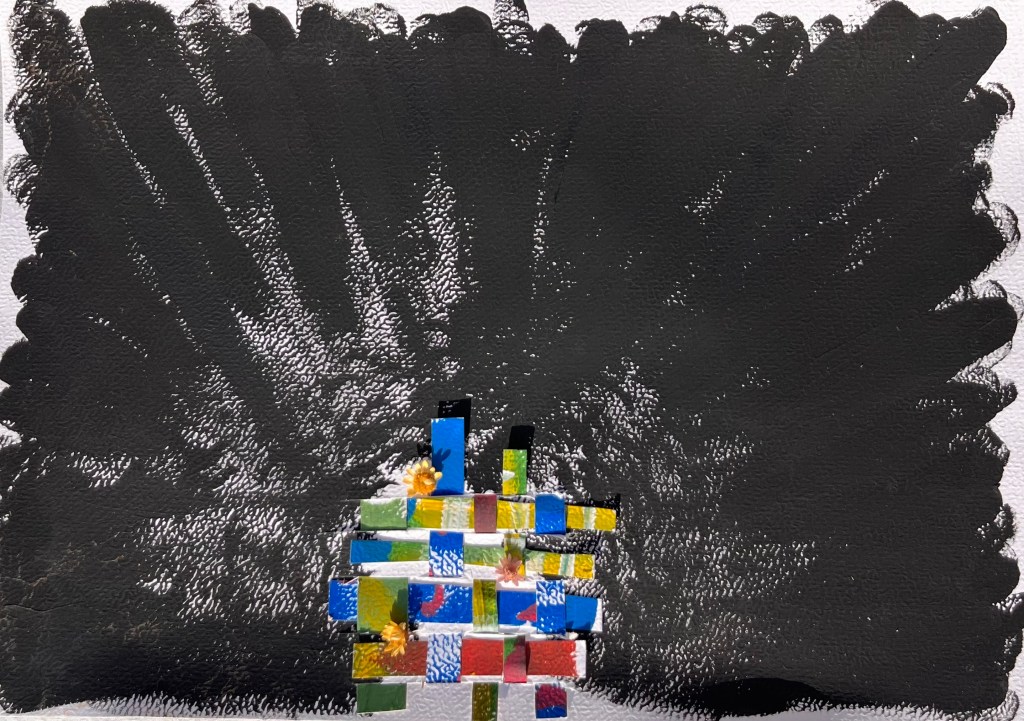

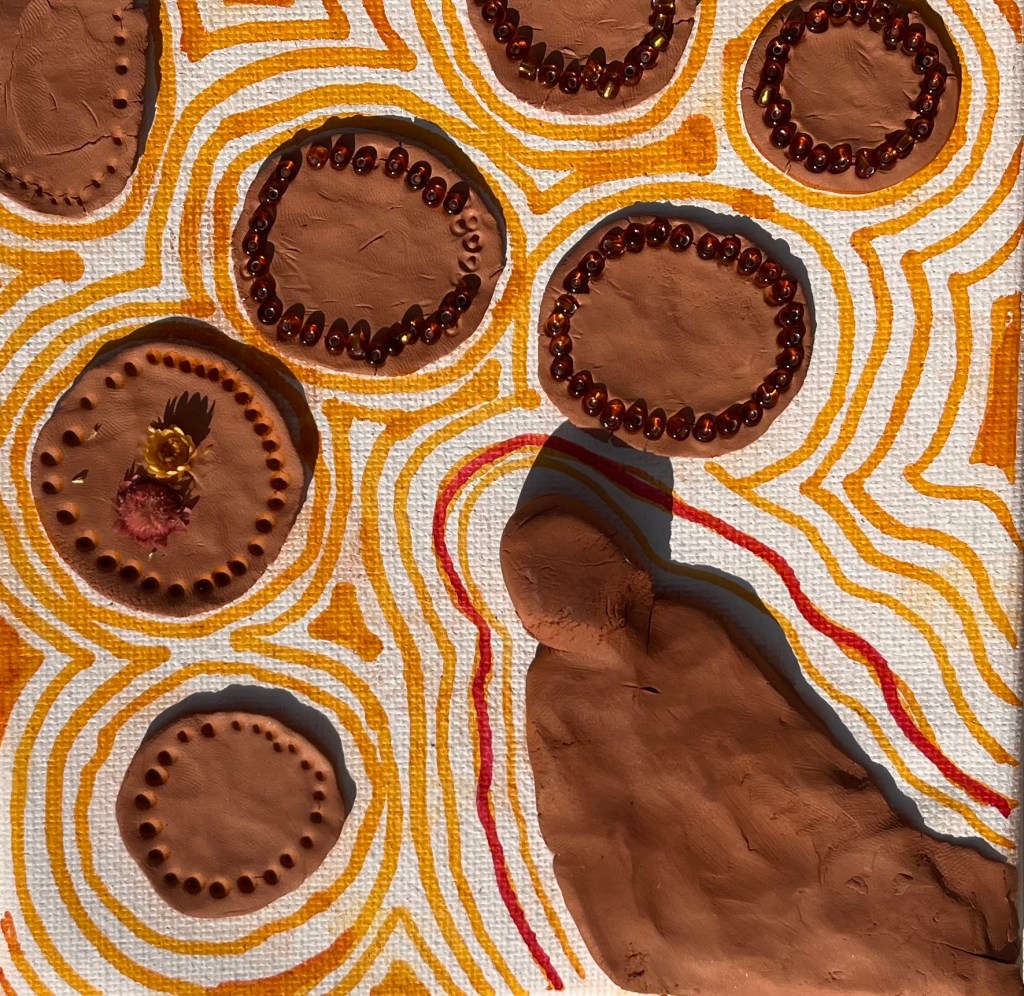
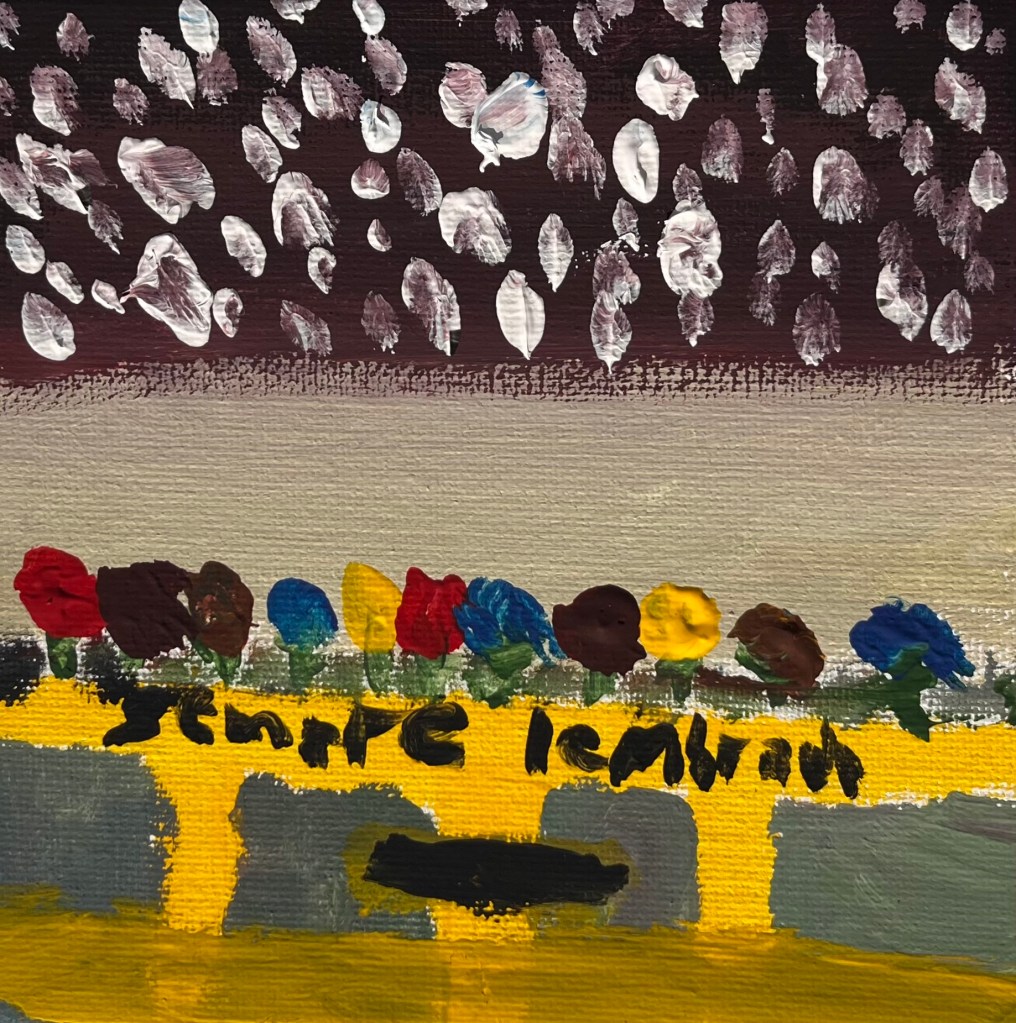

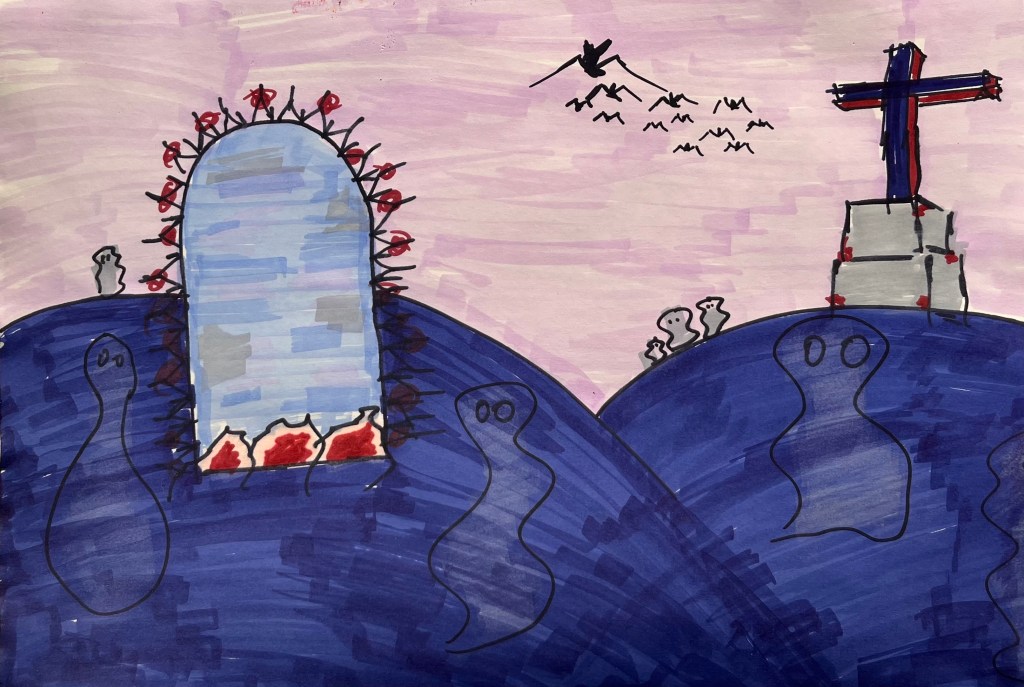


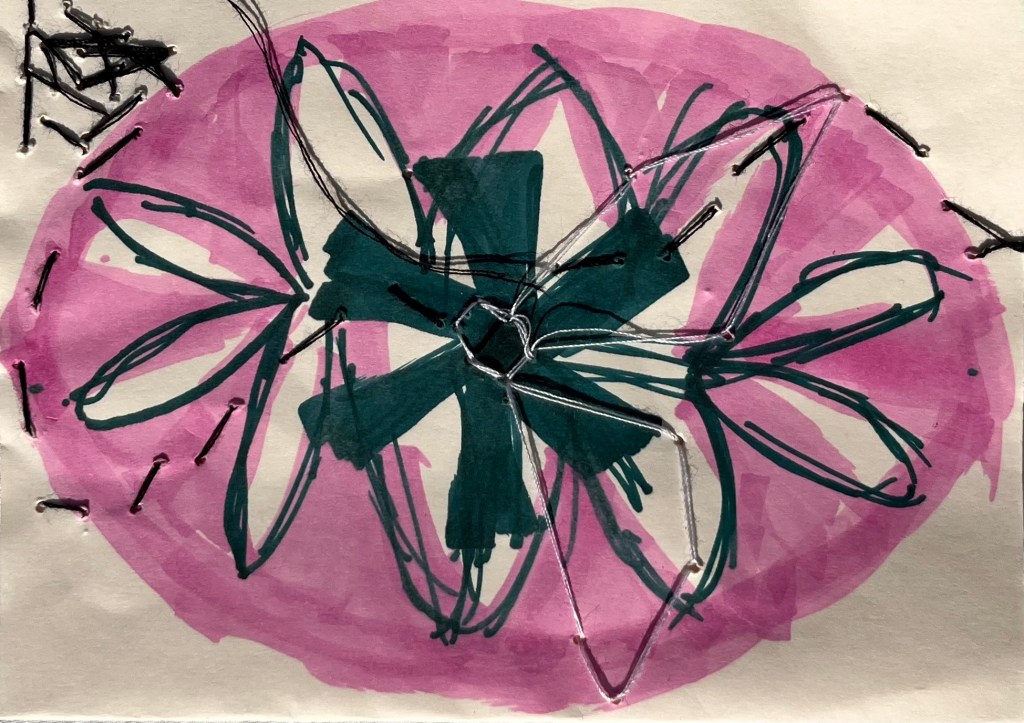
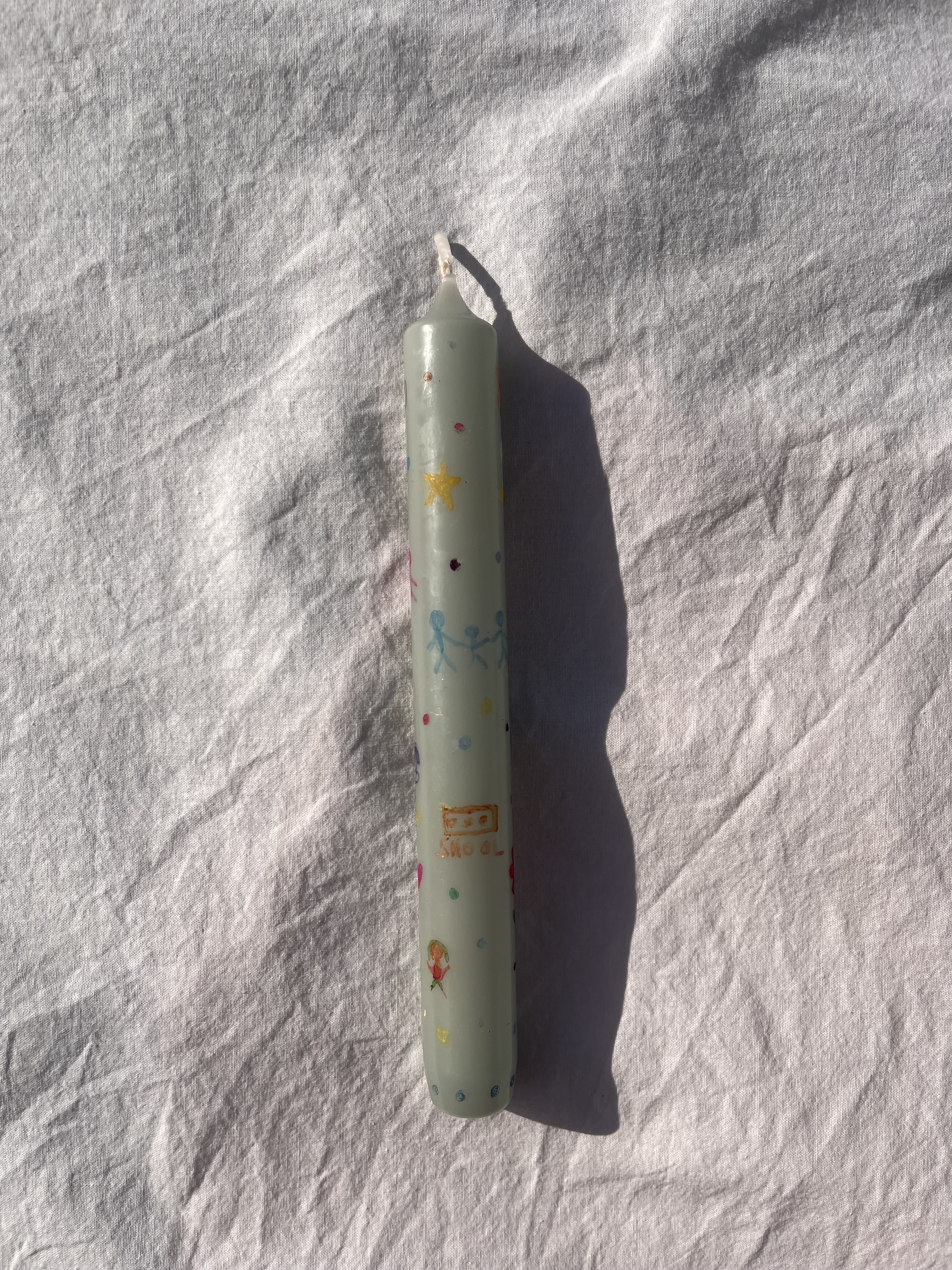
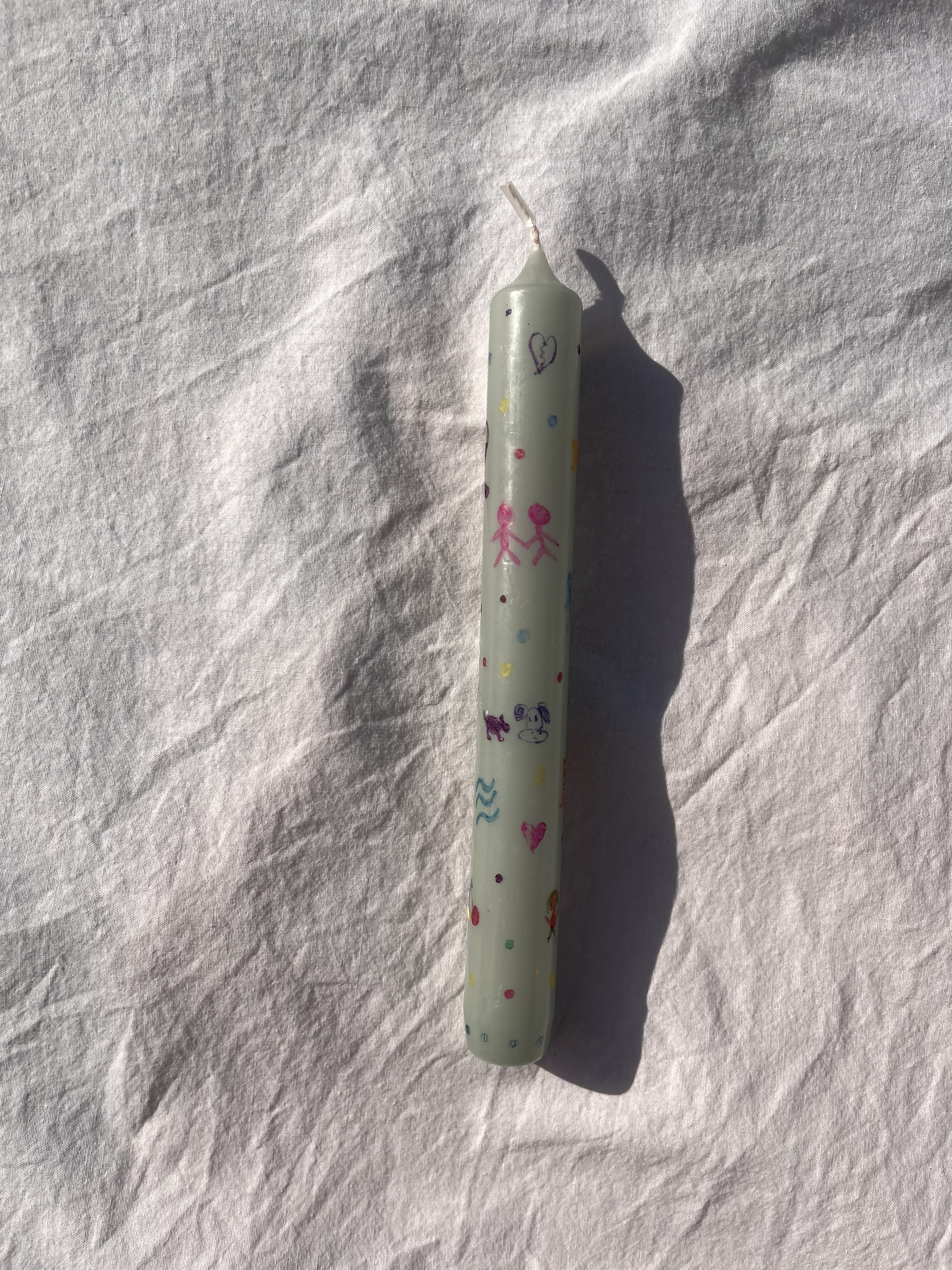
While Circle of Transience is designed as an intimate, reflective event, it also serves a research purpose: to explore how young Western European adults relate to death and impermanence in a largely secular context of 2025.


 LECTORAAT CHANGE MANAGEMENT - De Haagse Hogeschool